Commercial vacuum cleaners are instruments used to clear non-industrial regions of dirt, dust, and other material. Commercial vacuums can be found in offices, schools, and other places where non-industrial cleaning is required. Read More…
As a leader in the vacuum cleaner manufacturing industry, Multi-Vac offers vacuums for a variety of applications. Products include central industrial vacuums, portable vacuum cleaners and more.
Delfin Industrial Vacuums is an innovative leader in the vacuum cleaners industry. We focus on continually improving our products and our services, so you are only ever getting the best from us. Our team is dedicated to finding the right industrial vacuum system for your company’s specific needs. Delfin is an ISO 9001 certified company. We offer our customers unrivaled customer service and...

We aim to achieve measurable cost savings for you while producing a cleaner and safer work environment in your workplace. We meet your needs for cleaning or maintaining, recycling, non-destructively excavating, or improving air quality.
At Mark C. Pope Associates, we take pride in offering advanced vacuum cleaning solutions tailored to meet the rigorous demands of industrial and commercial environments. With decades of experience in the field, we have built a reputation for delivering high-performance vacuum systems that stand up to heavy-duty use while ensuring efficiency, safety, and cleanliness in every application.


More Commercial Vacuum Cleaner Manufacturers
What are Commercial Vacuum Cleaners?
Commercial vacuum cleaners are professional-grade cleaning machines engineered to efficiently clear non-industrial environments—such as offices, schools, hotels, retail stores, and healthcare facilities—of dust, dirt, debris, and other particulate matter. These specialized vacuum cleaners play a crucial role in maintaining workplace hygiene and ensuring the health and safety of employees, customers, and visitors.
Unlike residential vacuum cleaners, which are designed for occasional use and smaller spaces, commercial vacuum cleaners feature larger dust capacities, higher-powered motors, and heavy-duty filtration systems. They are built for frequent, extended use and are capable of handling larger volumes of foot traffic and debris. This makes them ideal for janitorial services, facility management, and cleaning contractors who require reliable, durable equipment for daily cleaning operations.
While home-use vacuums may suffice for light, infrequent cleaning, commercial-grade vacuums are typically more robust, powerful, and constructed to withstand rigorous use over time. Investing in a commercial vacuum ensures longevity, superior cleaning performance, and reduced downtime due to maintenance or repairs—all essential for high-demand environments.
Commercial vacuum cleaners are available in a variety of configurations, including upright, canister, backpack, wet/dry, and handheld models. Each type is designed with specific applications and facility requirements in mind. By understanding the differences in vacuum cleaner types, features, and technologies, facility managers and cleaning professionals can select the most effective equipment to meet their unique cleaning challenges.

Key Features of Commercial Vacuum Cleaners
- High Suction Power: Delivers deep cleaning on carpets, rugs, and hard floors, making removal of embedded dirt and allergens more effective. Superior airflow and suction also improve efficiency in commercial environments with heavy foot traffic.
- Durability: Designed with reinforced components and impact-resistant materials for longevity and consistent performance. Commercial vacuums are constructed to withstand frequent, rigorous cleaning cycles, reducing repair costs and operational downtime.
- Large Capacity: Bigger dust bags or bins minimize the need for frequent emptying, improving productivity. Many commercial vacuum cleaners offer easy-access dust compartments for quick disposal.
- Advanced Filtration Systems: HEPA or multi-stage filters trap dust, pollen, and microscopic particles, promoting better air quality. Advanced filtration is especially important in healthcare, hospitality, and educational settings, where air quality and allergen control are major concerns.
- Ergonomic Design: Features such as adjustable handles, lightweight construction, and easy maneuverability reduce operator fatigue. Ergonomics are essential for janitorial staff who use commercial vacuum cleaners for extended periods.
- Versatile Attachments: A range of tools for cleaning upholstery, crevices, drapes, and hard-to-reach areas. Attachments such as dusting brushes, crevice tools, and extension wands add versatility to any commercial vacuum system.
- Low Noise Operation: Many commercial models are designed for quiet operation, making them suitable for use in noise-sensitive environments like hospitals, schools, and office buildings.
- Corded and Cordless Options: Commercial vacuum cleaners are available in both corded and battery-powered versions, providing flexibility for facilities with different power needs and layouts.
Who Uses Commercial Vacuum Cleaners?
Commercial vacuum cleaners are indispensable cleaning equipment for facility managers, custodial staff, cleaning service providers, and building maintenance crews. They are commonly used in:
- Corporate office buildings
- Educational institutions (schools, universities, daycare centers)
- Healthcare facilities (hospitals, clinics, dental offices)
- Hospitality venues (hotels, motels, resorts, conference centers)
- Retail environments (shopping malls, department stores, supermarkets)
- Government buildings
- Restaurants and foodservice businesses
- Fitness centers and gyms
- Transportation hubs (airports, transit stations, bus terminals)
- Industrial settings (light manufacturing, warehouses, assembly areas)
Whether you operate a small business or manage a large facility, choosing the right commercial vacuum cleaner can significantly enhance cleanliness, improve indoor air quality, and contribute to a healthier work environment.
How Vacuum Cleaners Work
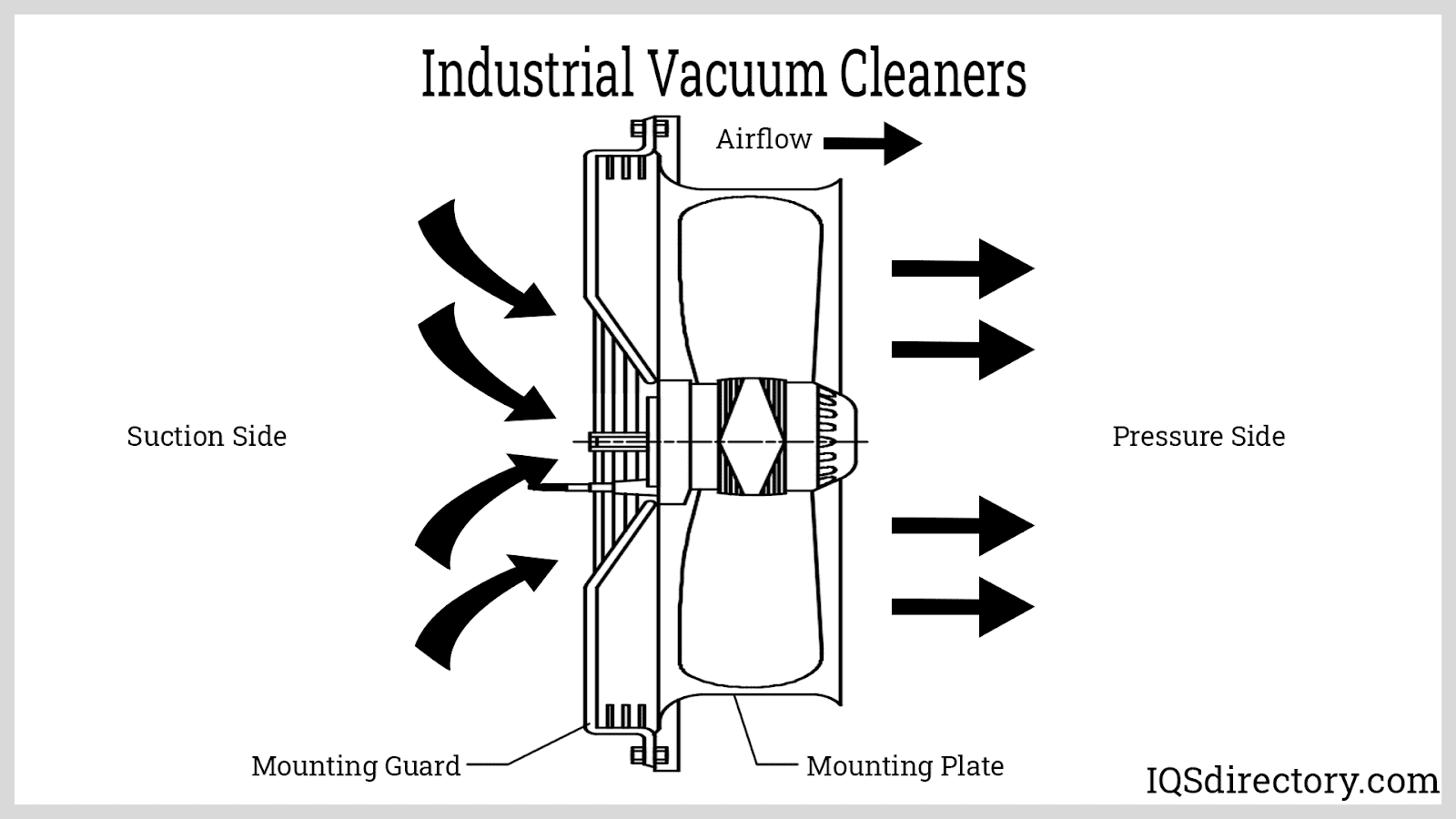
Vacuum cleaners operate by creating a region of negative air pressure inside the machine. A powerful motor-driven fan generates this low-pressure zone, causing the higher-pressure air outside the vacuum to rush in, carrying dust, dirt, and debris along with it. The airflow then passes through filters and dust bags, separating contaminants from the air before expelling clean air back into the environment.
Most upright commercial vacuums are equipped with rotating agitators or brush rolls, which aggressively loosen dirt and debris embedded deep within carpet fibers for more effective removal. Many models also offer specialized attachments designed for concentrated cleaning tasks, such as removing pet hair from upholstery, cleaning baseboards, or reaching into tight corners. For smaller commercial spaces or detailed spot cleaning, smaller commercial vacuums offer enhanced maneuverability and targeted cleaning capabilities.
Medium-sized vacuum cleaners are versatile tools, ideal for routine cleaning tasks such as upholstery cleaning, spot carpet cleaning, extraction, and hard floor maintenance. Many units provide adjustable suction settings to accommodate different surfaces, from delicate drapes to heavy-duty mats.
Why Advanced Filtration Matters
For businesses concerned with indoor air quality—such as healthcare providers, educational institutions, and hospitality venues—choosing a commercial vacuum with HEPA or multi-stage filtration is essential. These filters capture allergens, mold spores, dust mites, and other airborne pollutants, making them critical for environments where respiratory health and cleanliness are top priorities.
Additional Cleaning Technologies in Commercial Vacuums
Modern commercial vacuum cleaners may also incorporate other advanced technologies such as antimicrobial coatings, automatic brush height adjustment, variable speed motors, and smart sensors that alert users to full dust bins or filter maintenance requirements. These innovations enhance the performance, safety, and ease of use of commercial cleaning equipment, ensuring the highest standards of facility cleanliness.
Types of Commercial Vacuum Cleaners
When evaluating the best commercial vacuum cleaner for your business, consider the various types available. Each is designed to meet specific cleaning challenges and facility requirements. Explore the advantages, applications, and unique features of each type below:
Canister Vacuum Cleaners
Canister vacuums feature a separate canister unit connected to a flexible hose and wand, offering superior maneuverability and reach. Wheels at the base of the canister make it easy to transition between floor types, and fully-directional front wheels reduce drag for effortless handling. These vacuums are typically powered by an electrical cord, ensuring consistent suction power for extended cleaning sessions.

Best For: Hard surfaces, low-pile carpets, fixtures, curtains, staircases, and above-floor cleaning. Canister vacuums excel at cleaning multiple surfaces, especially in environments with a mix of flooring types and the need for specialty attachments (e.g., crevice tools, dusting brushes, telescoping wands).
Considerations: While versatile, the extended hoses and cords may pose tripping hazards in busy corridors or high-traffic areas. For facilities with large open spaces or heavy foot traffic, alternative models may be more practical. Some facility managers prefer canister vacuums for their quiet operation and ability to reach under furniture or clean overhead vents.
Upright Vacuum Cleaner
Upright commercial vacuum cleaners are characterized by their vertical, self-contained design. These machines incorporate a motor, brush roll, and dust collection system into a single unit, making them easy to maneuver on carpeted floors. Most upright vacuums run on corded electric power, though battery-powered commercial options are available for cord-free convenience.
Best For: Deep cleaning of medium- to high-pile carpets, large open areas, and facilities where rapid, efficient carpet maintenance is needed. Upright vacuums are a staple in hotel hallways, office corridors, and retail aisles. Many models offer adjustable height settings for transitioning between carpet and hard floors without sacrificing performance.
Upright vacuums generally come in two types:
- Single-motor upright vacuums: One motor powers both the brush roll and suction, making these models lighter and more affordable. Ideal for light to moderate cleaning tasks.
- Dual-motor upright vacuums: Separate motors for the brush and suction provide increased cleaning efficiency and power, making these vacuums suitable for heavy-duty commercial use.

Wet/Dry Vacuum Cleaners
Wet/dry commercial vacuum cleaners are specifically engineered to handle both dry debris and liquid spills, making them essential for environments where water, cleaning solutions, or accidental spills are common. Only vacuums equipped for wet pickup should be used in damp environments, as they are designed to safely channel liquids through the machine without damaging internal components or risking operator safety.
Commonly available in 16–20 gallon capacities, wet/dry vacuums come in both corded and battery-powered models for maximum flexibility. There are two primary configurations:
- Traditional hose and wand: Allows precise, targeted pickup of debris and liquids from floors, drains, and machinery.
- Front-mounted squeegee: Ideal for quickly removing large volumes of liquid from hard surfaces such as gym floors, kitchens, or industrial workspaces.
Key Applications: Restroom cleanup, locker rooms, kitchens, industrial shops, manufacturing facilities, construction sites, and any location prone to spills or floods.
Backpack Vacuum Cleaner
Backpack vacuums are lightweight, ergonomically designed units worn like a backpack, allowing cleaning personnel to move freely—even in crowded or cluttered environments. These vacuums are ideal for cleaning stairs, elevators, theater seating, buses, airplanes, and other areas where traditional vacuums may be cumbersome to use.
Modern backpack vacuum models offer padded, adjustable straps and advanced filtration, minimizing operator fatigue and improving productivity. Both corded and cordless (battery-powered) backpack vacuums are available, providing flexibility for various commercial cleaning applications.
Use Cases: Highly recommended for environments with multiple levels or narrow walkways, such as schools, stadiums, transit vehicles, and office buildings. They are effective on both carpet and hard surfaces, and their portability makes them indispensable for janitorial crews seeking efficiency and speed.

Considering a backpack vacuum for your facility? What features should you look for in a commercial backpack vacuum cleaner? Check for ergonomic harnesses, lightweight construction, battery runtime (for cordless models), and filtration efficiency.
Handheld Duster Vacuum
Handheld commercial vacuums are compact, lightweight machines designed for quick spot cleaning and detailed work. Available in both corded and cordless models, these vacuums are ideal for cleaning workstations, office chairs, blinds, stairs, vehicle interiors, and other small areas where a full-sized vacuum would be impractical.
Although limited in capacity, handheld vacuums are highly portable and perfect for high-traffic areas that require frequent attention. They are invaluable for maintenance staff in offices, hotels, restaurants, and public transit facilities.
Other Specialized Commercial Vacuum Types
- Ride-on vacuums: Suitable for large facilities such as airports, convention centers, and warehouses where wide-area floor coverage is needed.
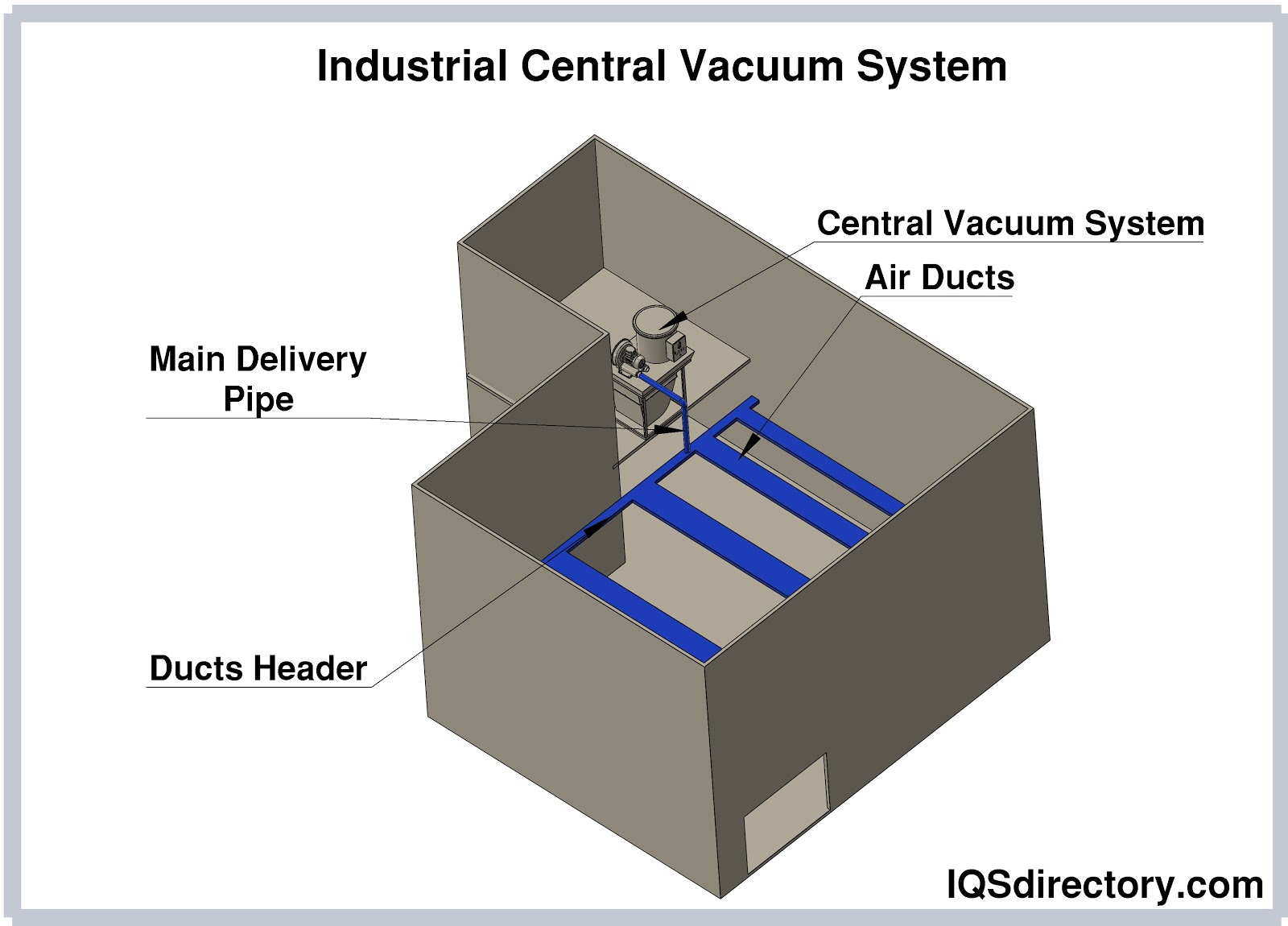
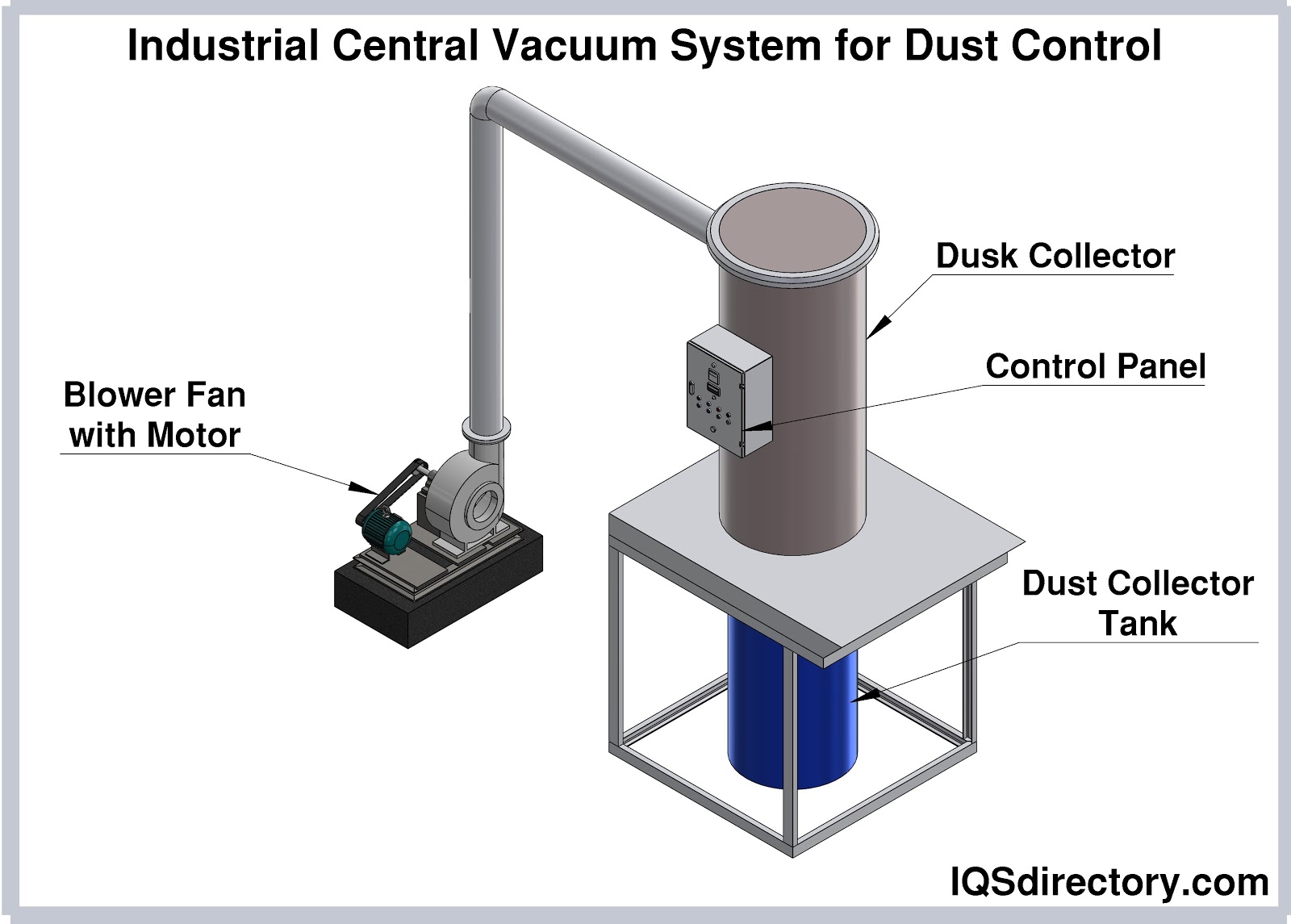
- Central vacuum systems: Built-in solutions for new construction or large commercial buildings, providing powerful, permanent cleaning infrastructure.
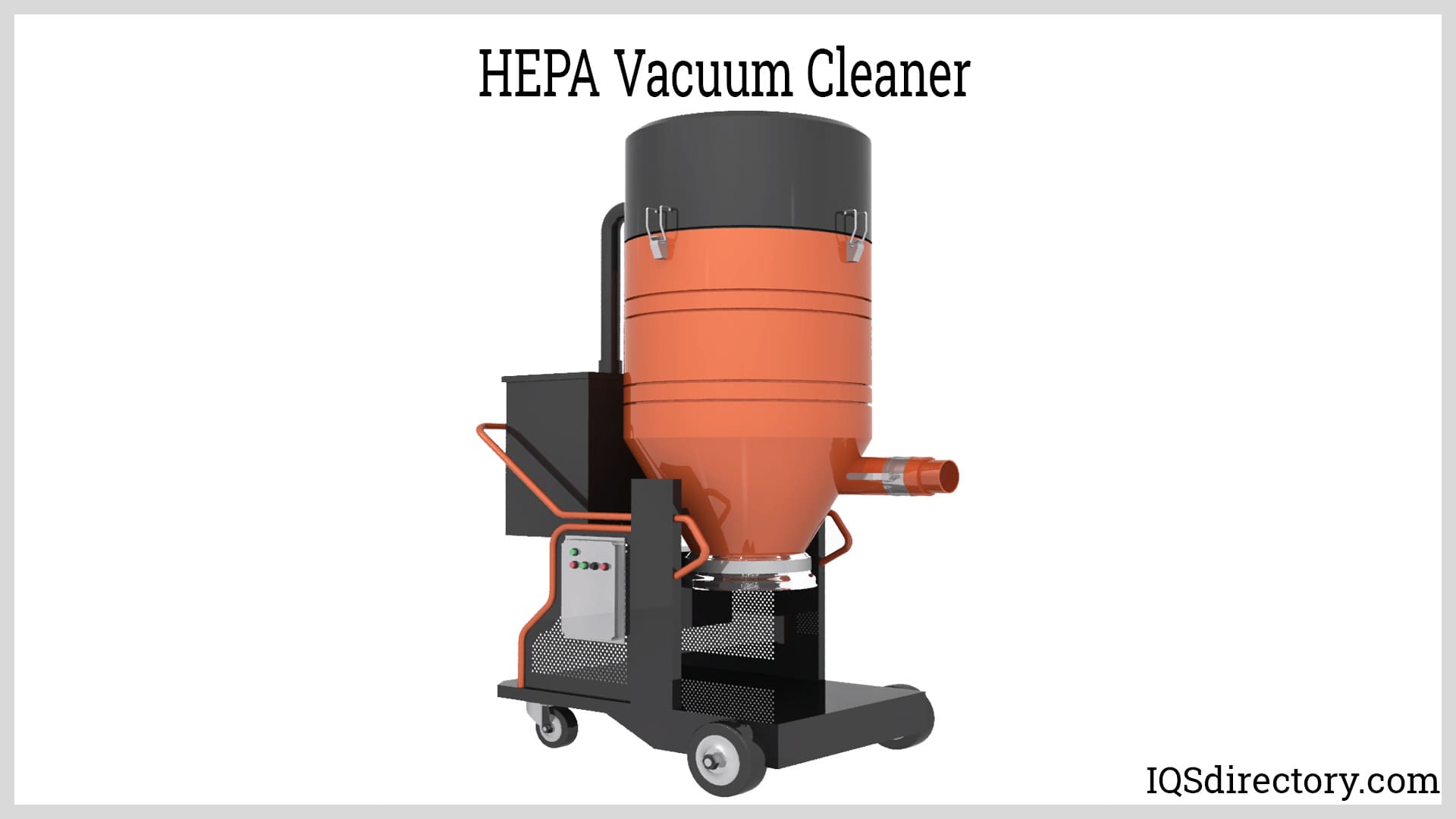
- HEPA vacuums: Essential for environments with strict air quality requirements, such as healthcare, laboratories, and cleanrooms.
Want to learn more about industrial-strength vacuums or central vacuum solutions? Read our guide on industrial vacuum cleaners for a deep-dive into heavy-duty cleaning technology.
How to Choose the Best Commercial Vacuum Cleaner for Your Needs
With a wide range of commercial vacuum cleaners on the market, selecting the right model depends on several key factors. Are you wondering which commercial vacuum is best for your business or facility? Consider the following decision points to ensure you make an informed purchase:
- Cleaning Environment: Assess the size of your facility, the types of flooring, and the volume of foot traffic. Large spaces with carpet may require high-capacity upright or ride-on vacuums, while mixed flooring benefits from versatile canister models.
- Debris Type: Determine whether you need to handle dry dirt, wet spills, fine dust, or larger debris. For facilities prone to liquid spills, wet/dry vacuums are essential.
- Frequency of Use: Daily, weekly, or occasional cleaning may affect your choice of vacuum size, motor power, and durability requirements. Facilities with 24/7 operations need ultra-reliable, heavy-duty vacuums.
- Filtration Requirements: Do you need HEPA filtration for allergy-sensitive environments or to comply with health regulations? Advanced filters are crucial for healthcare, labs, and cleanrooms.
- Portability and Storage: Consider the weight, size, and ease of storage—especially important for multi-level or space-constrained facilities.
- Noise Level: Low-noise units are preferred in hospitals, schools, and office environments to minimize disruption. Look for decibel ratings in product specifications.
- Power Source: Corded vs. cordless vacuums—cordless models offer more flexibility but may have limited run time per charge.
- Maintenance and Service: Availability of replacement parts, ease of filter/bag changes, and manufacturer support. Reliable after-sales service ensures longevity and reduces downtime.
- Budget: Commercial vacuum cleaners come in a variety of price points, so balance features with your available budget. Consider long-term cost of ownership, including maintenance and replacement parts.
Common Use Cases and Industry Applications
- Hospitality: Quick turnaround cleaning in hotel rooms, conference centers, and banquet halls. Vacuums with low-noise operation and maneuverable designs help minimize guest disruptions.
- Healthcare: Strict sanitation and air quality requirements in hospitals, clinics, and labs. HEPA filtration is often mandatory for infection control.
- Education: Daily cleaning of classrooms, hallways, gyms, and cafeterias in schools and universities. Backpack and canister vacuums excel in multi-level buildings and large campuses.
- Retail: Maintaining cleanliness in aisles, entryways, fitting rooms, and checkout areas. Upright vacuums are popular for their speed and efficiency in high-traffic retail spaces.
- Industrial: Managing heavy debris, sawdust, and hazardous materials in warehouses, factories, and workshops. Wet/dry and industrial vacuums are essential in these environments.
- Offices: Routine cleaning of carpeted areas, cubicles, meeting rooms, and break spaces. Portability and quiet operation are key for maintaining productivity.
Still unsure which vacuum type is right for your application? How do commercial vacuum cleaners handle heavy-duty or specialty cleaning tasks? Contact our equipment experts for a tailored consultation.
Frequently Asked Questions About Commercial Vacuum Cleaners
- What is the difference between commercial and industrial vacuum cleaners?
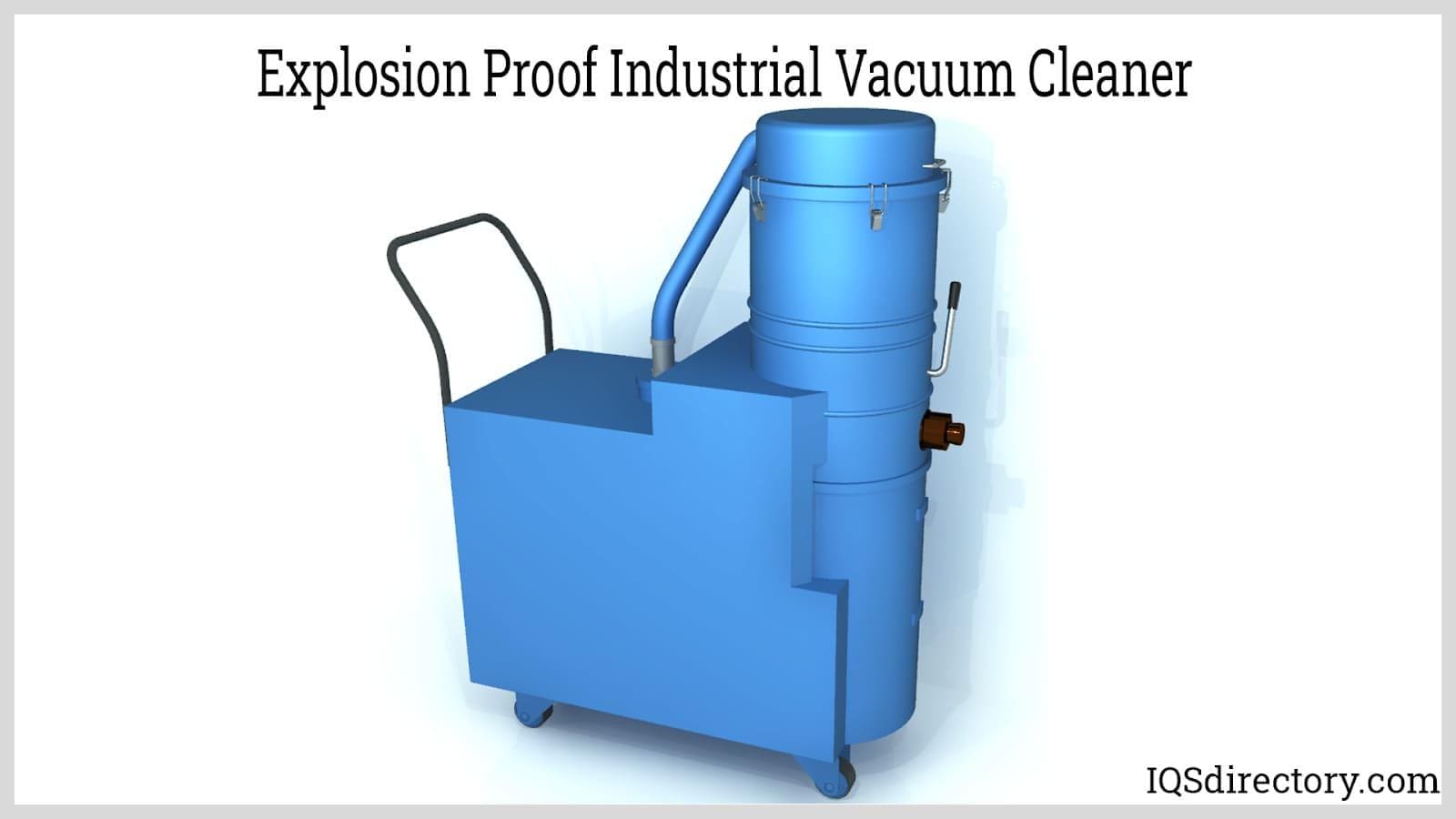
Commercial vacuum cleaners are intended for regular cleaning in non-industrial settings, focusing on durability, ease of use, and versatility. Industrial vacuums are built for heavy-duty applications, such as hazardous material cleanup, manufacturing waste, or large debris removal. - How often should I replace filters in my commercial vacuum?
Filter replacement frequency depends on usage and environment, but most commercial vacuums recommend filter changes every 1-3 months for optimal performance and air quality. - Are bagless commercial vacuums better than bagged models?
Bagless vacuums offer convenience and cost savings on bags, but bagged models may provide better dust containment, especially important for allergy-sensitive environments. - Can I use a commercial vacuum cleaner on both carpet and hard floors?
Many modern commercial vacuums feature adjustable brush rolls or suction settings for seamless transition between different floor types. Check the manufacturer’s specifications for compatibility. - What maintenance is required for a commercial vacuum cleaner?
Routine maintenance includes emptying dust bags or bins, cleaning or replacing filters, checking belts and brush rolls, and inspecting power cords for wear. - How can I extend the lifespan of my commercial vacuum?
Follow the manufacturer’s maintenance schedule, promptly address repairs, use the vacuum only for its intended applications, and avoid overloading the machine. - Where can I buy commercial vacuum cleaner parts and accessories?
Most manufacturers and authorized distributors offer a selection of replacement parts, filters, and attachments. Use our directory to find suppliers and order genuine parts for your specific vacuum model. - Which commercial vacuum is best for allergy control?
HEPA-filtered commercial vacuums are designed to capture 99.97% of particles 0.3 microns or larger, making them ideal for allergy- and asthma-sensitive environments.
Choosing the Right Commercial Vacuum Cleaner Manufacturer
- Review each manufacturer's business profile page for details on their expertise, product range, certifications, and customer testimonials.
- Use direct contact forms to request quotes, product information, or custom solutions tailored to your unique cleaning needs.
- Explore each manufacturer’s website using our proprietary website previewer to understand their specialties, product innovations, and service offerings.
- Utilize our easy RFQ (Request for Quote) form to communicate with multiple manufacturers simultaneously, streamlining your procurement process.
- Ask about after-sales support, warranty policies, and availability of replacement parts to ensure ongoing satisfaction with your purchase.
Decision Factors When Selecting a Manufacturer
- Industry reputation and customer reviews
- Certifications (e.g., ISO, Green Seal, CRI approval)
- Range of commercial vacuum models and customization options
- Availability of technical support and training
- Lead times and delivery options
- Warranty coverage and after-sales service
Ready to Find the Right Commercial Vacuum Cleaner?
Start your search by browsing our directory of commercial vacuum cleaner manufacturers. Compare features, ask questions, and request custom quotes to ensure you select the ideal solution for your facility’s cleaning needs. Whether you require a heavy-duty upright vacuum, a high-capacity wet/dry unit, or a portable backpack model, our resources connect you with trusted suppliers who deliver performance, reliability, and value.
Explore More Resources on Commercial Cleaning Equipment
- Learn about the differences between commercial and industrial vacuum cleaners
- Discover HEPA vacuum technology for superior air filtration
Get Expert Help and Guidance
Still have questions about choosing the right commercial vacuum cleaner for your business? Contact our team of cleaning equipment experts for personalized recommendations based on your facility size, cleaning requirements, and budget. We’re here to help you navigate the latest advancements in commercial cleaning technology and connect you with top-rated manufacturers.
Looking for advice on maximizing ROI, reducing facility downtime, or improving cleaning protocols? Ask us how to create a cleaning equipment maintenance plan or how to train your staff for optimal performance with commercial vacuum cleaners.
Popular Search Prompts
- What is the best commercial vacuum cleaner for hotels?
- How do I choose a vacuum for a large office building?
- Which commercial vacuum works best on both carpet and tile?
- Are HEPA filters necessary for healthcare cleaning?
- Who are the top commercial vacuum cleaner manufacturers in the USA?
- Where can I find commercial wet/dry vacuums for sale?
- What features should I look for in a backpack vacuum?
- How do commercial vacuums differ from residential models?
- What is the average lifespan of a commercial vacuum cleaner?
- How do I maintain a commercial vacuum for long-term reliability?
 Air Compressors
  Air Filters
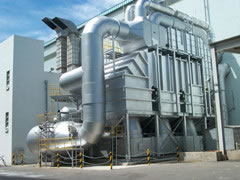 Air Pollution Control
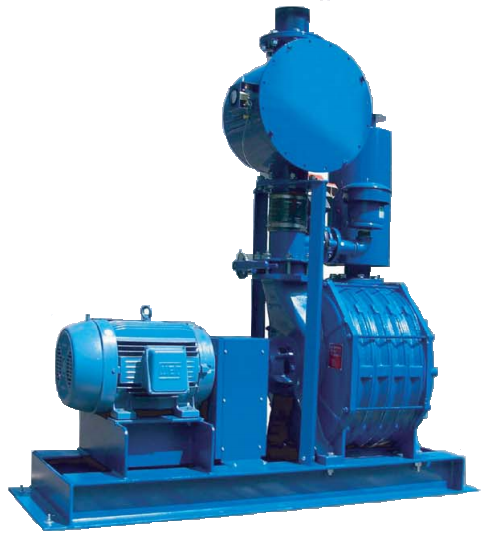 Blowers
 Dust Collectors
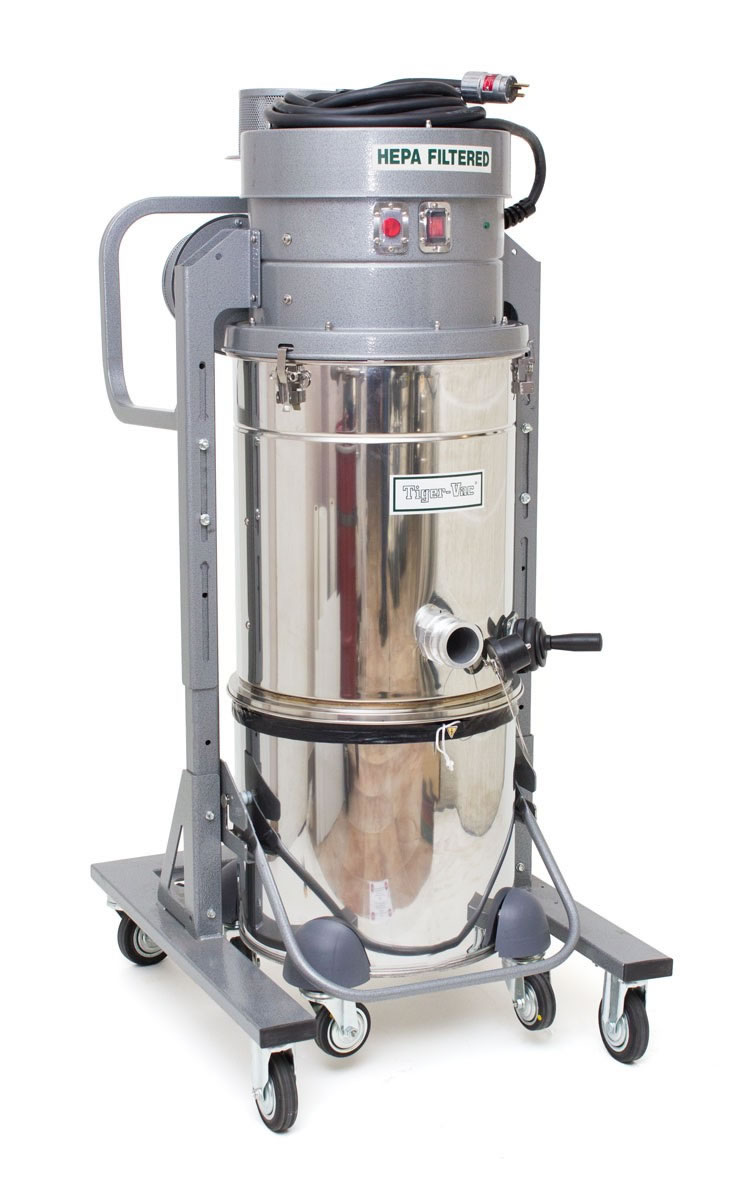 Industrial Vacuum Cleaning Equipment
 Castings & Forgings
 Bulk Material Handling
 Electrical & Electronic Components
 Flow Instrumentation
 Hardware
 Material Handling Equipment
 Metal Cutting Services
 Metal Forming Services
 Metal Suppliers
 Motion Control Products
 Plant & Facility Equipment
 Plant & Facility Supplies
 Plastic Molding Processes
 Pumps & Valves
 Recycling Equipment
 Rubber Products & Services