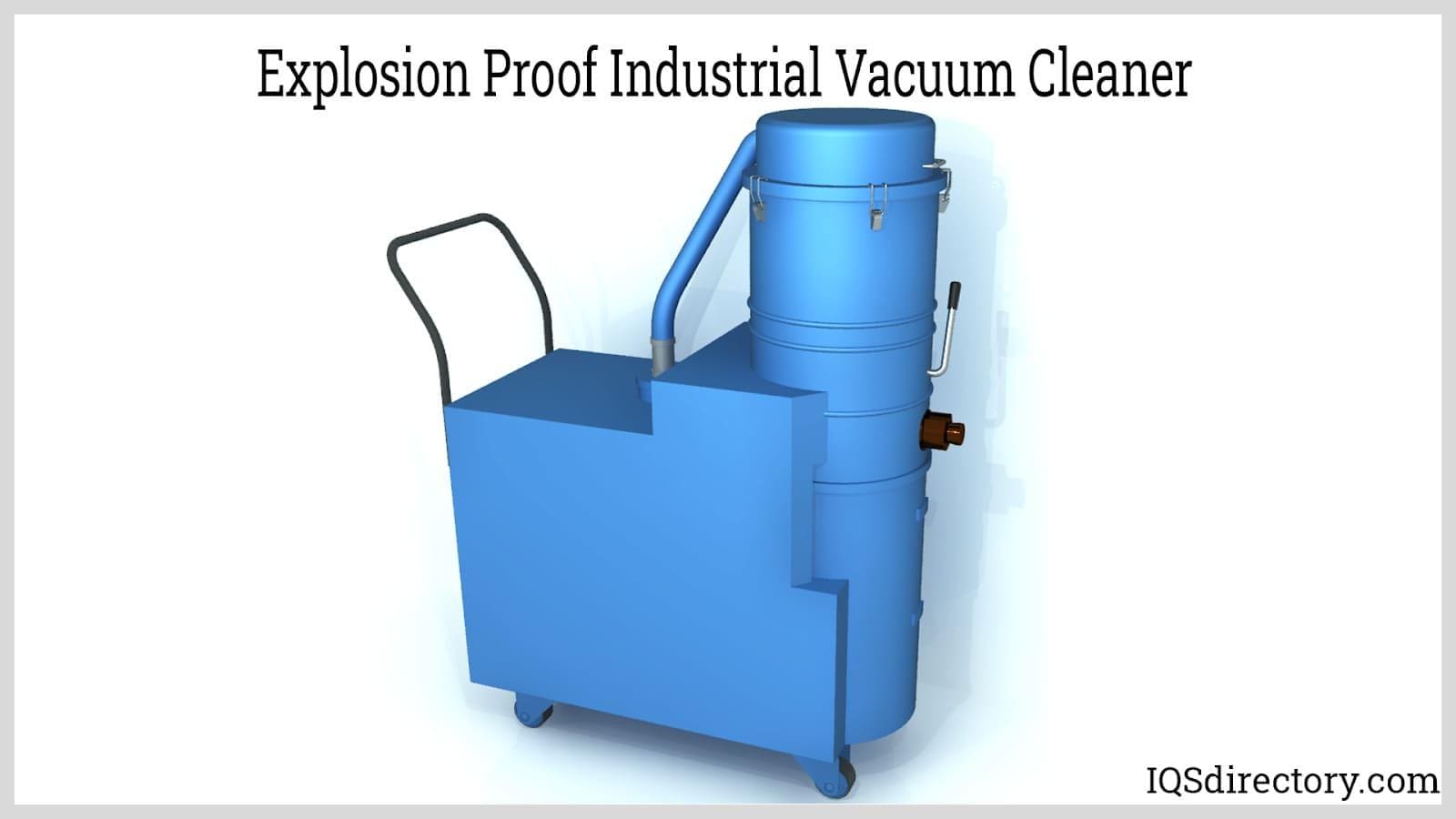
Every component in their design is made of non-sparking materials like fiberglass and stainless steel, significantly reducing the risk of static charge or a spark from material impact. Read More…
As a leader in the vacuum cleaner manufacturing industry, Multi-Vac offers vacuums for a variety of applications. Products include central industrial vacuums, portable vacuum cleaners and more.
Delfin Industrial Vacuums is an innovative leader in the vacuum cleaners industry. We focus on continually improving our products and our services, so you are only ever getting the best from us. Our team is dedicated to finding the right industrial vacuum system for your company’s specific needs. Delfin is an ISO 9001 certified company. We offer our customers unrivaled customer service and...

We aim to achieve measurable cost savings for you while producing a cleaner and safer work environment in your workplace. We meet your needs for cleaning or maintaining, recycling, non-destructively excavating, or improving air quality.
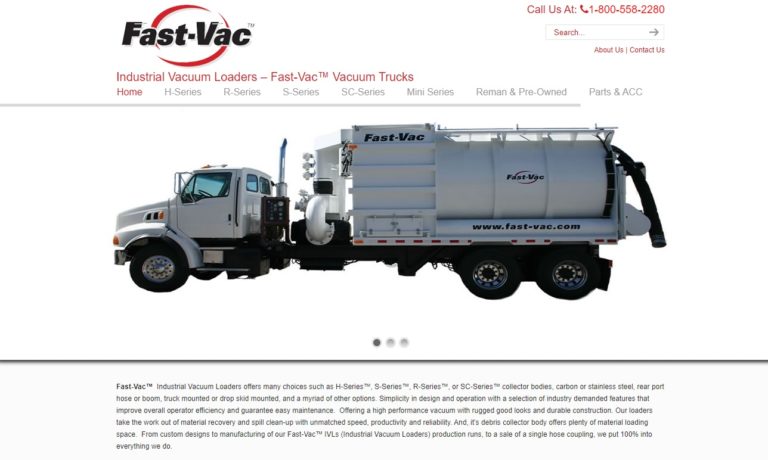
At Mark C. Pope Associates, we take pride in offering advanced vacuum cleaning solutions tailored to meet the rigorous demands of industrial and commercial environments. With decades of experience in the field, we have built a reputation for delivering high-performance vacuum systems that stand up to heavy-duty use while ensuring efficiency, safety, and cleanliness in every application.


More Explosion Proof Vacuum Manufacturers
They are used in construction zones as well as industrial manufacturing environments when cleaning of hazardous materials like flammable liquids, large amounts of fine dust, fibers or filings, aluminum powder, petrochemicals, and debris is necessary.
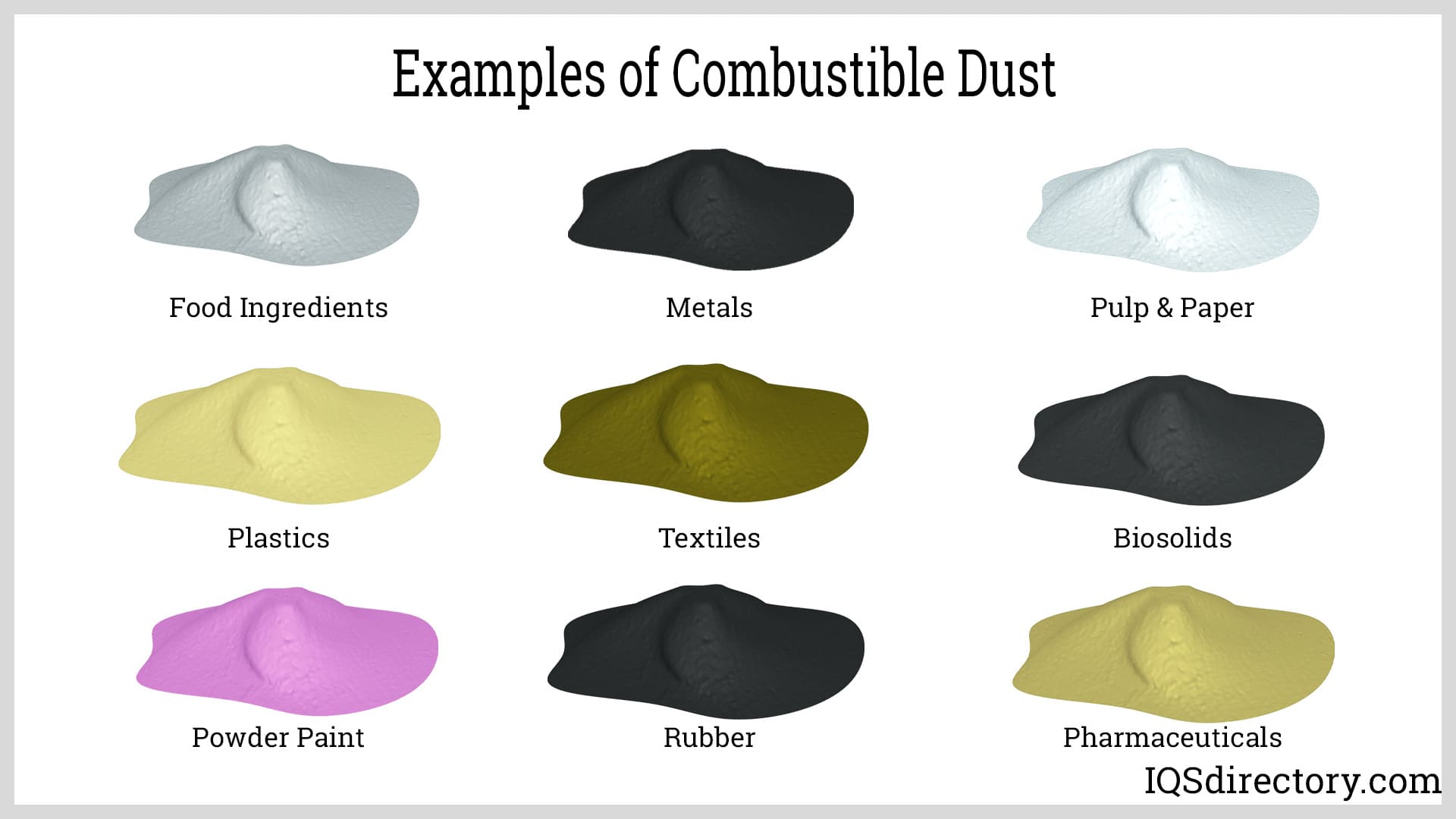
Explosion proof vacuums are utilized by manufacturers of solid organic materials like sugar, corn starch, wood, or plastic pellets because they risk serious fires if the dust they produce becomes finely divided and dispersed. Polishing, grinding, transporting, and shaping many different materials produces dust and small particles, which become dispersed around facilities and can easily catch fire.
Areas that contain flammable gas or vapor are also subject to extra caution while vacuuming. Ignition of these materials is not uncommon; it can be caused by hot surfaces, electrical sparks, flames or glowing embers, metal-to-metal contact, and static electricity.
Most explosion proof vacuums are powered by compressed air instead of electricity and can handle wet or dry materials. One of the largest causes of vacuum fires is large amounts of fine dust. If the dust is regularly cleaned, the risk of fire goes down but it does not disappear.
Static dissipation, electrical insulation, and chemical neutrality are all important factors in explosion proof vacuum construction.
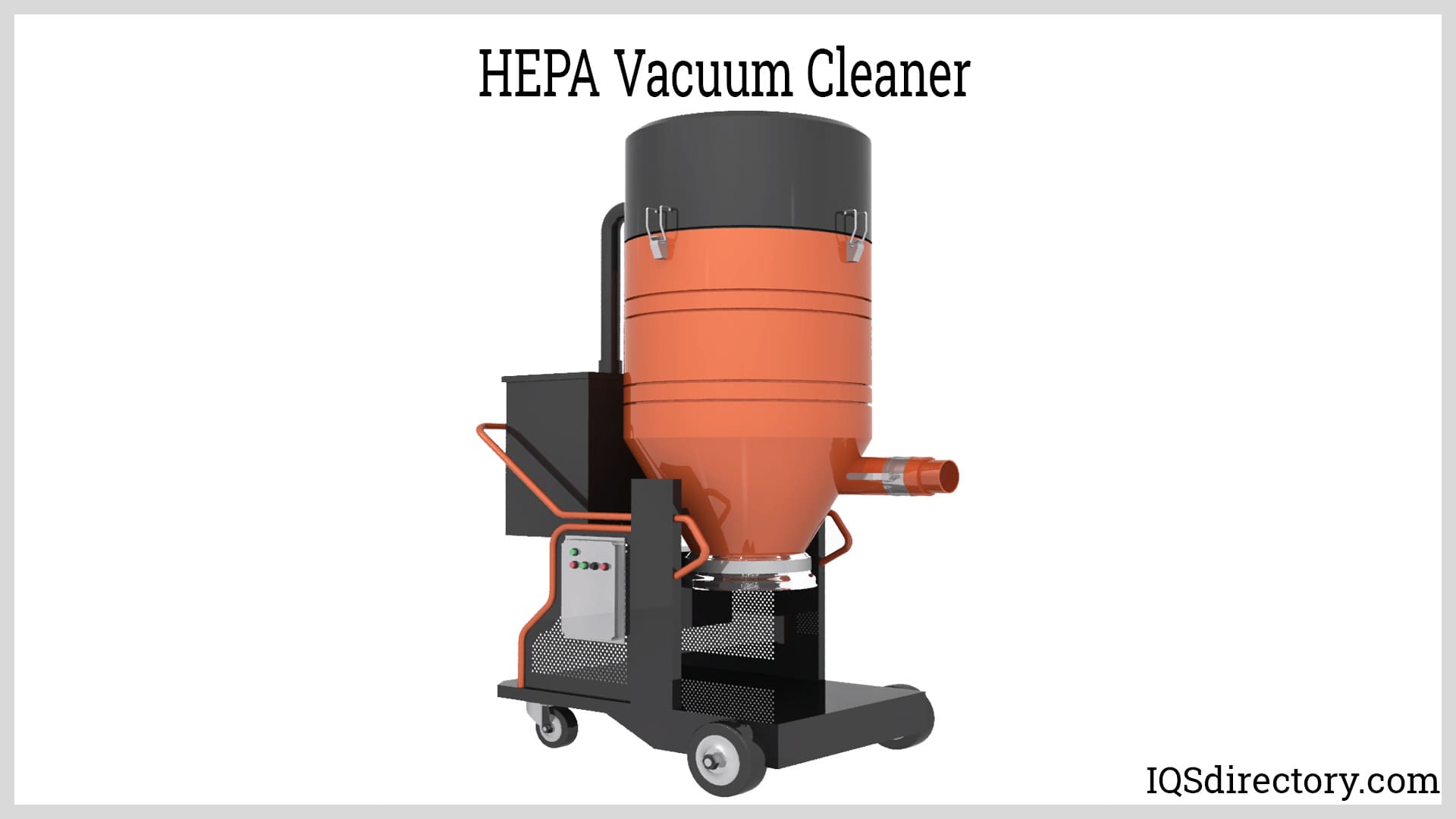
The housing can be made of reinforced fiberglass or stainless steel, and components like inlets and casters are often made of plastic or bronze. Inside the vacuum, an immersion separator quenches the material with water, eliminating the risk of combustion within the storage tank. There are also filters to reduce airborne dust.
In order to be considered fully explosion proof, vacuums must reach strict US National Electrical Code 500 and 505 standards. Some may claim to be explosion proof, but unless they are certified, using them could be unsafe. There is a rating system of classes, divisions, and groups put forth by the NEC that matches certain hazardous environments and materials with the appropriate vacuum type. All hoses, tools, and attachments must be static conductive, dissipative, and fully grounded so there is no risk of sparking during operation.
 Air Compressors
  Air Filters
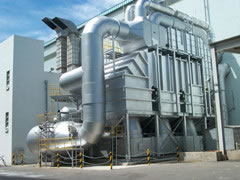 Air Pollution Control
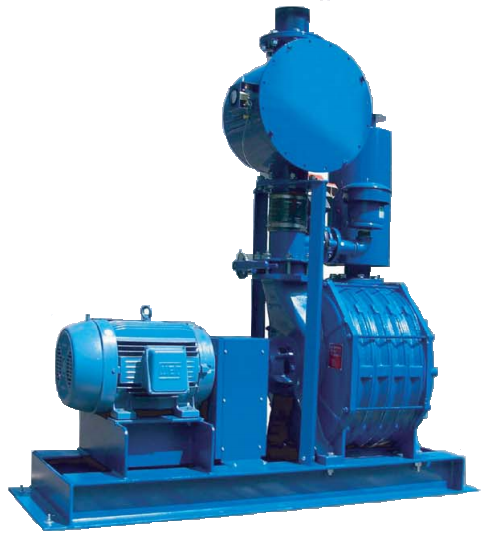 Blowers
 Dust Collectors
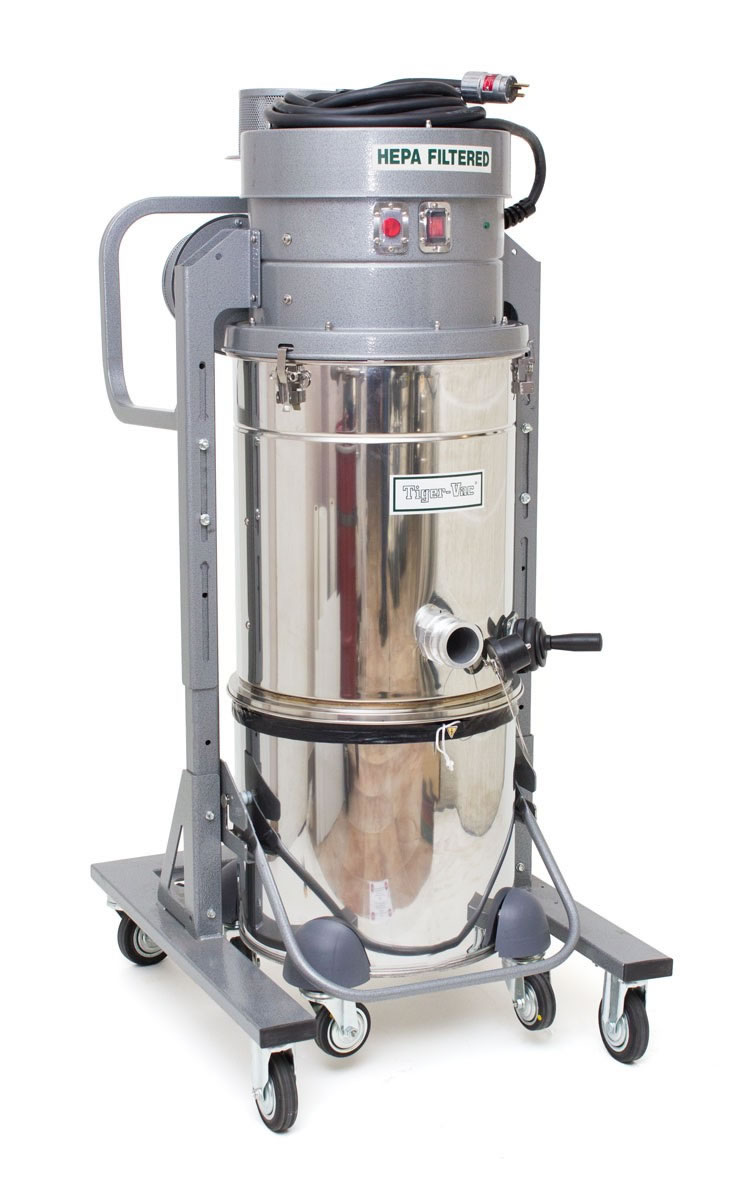 Industrial Vacuum Cleaning Equipment
 Castings & Forgings
 Bulk Material Handling
 Electrical & Electronic Components
 Flow Instrumentation
 Hardware
 Material Handling Equipment
 Metal Cutting Services
 Metal Forming Services
 Metal Suppliers
 Motion Control Products
 Plant & Facility Equipment
 Plant & Facility Supplies
 Plastic Molding Processes
 Pumps & Valves
 Recycling Equipment
 Rubber Products & Services